Resource Allocation Frameworks Connecting Volatility Indexes to Layered Promotion Triggers in Integrated Gaming Environments
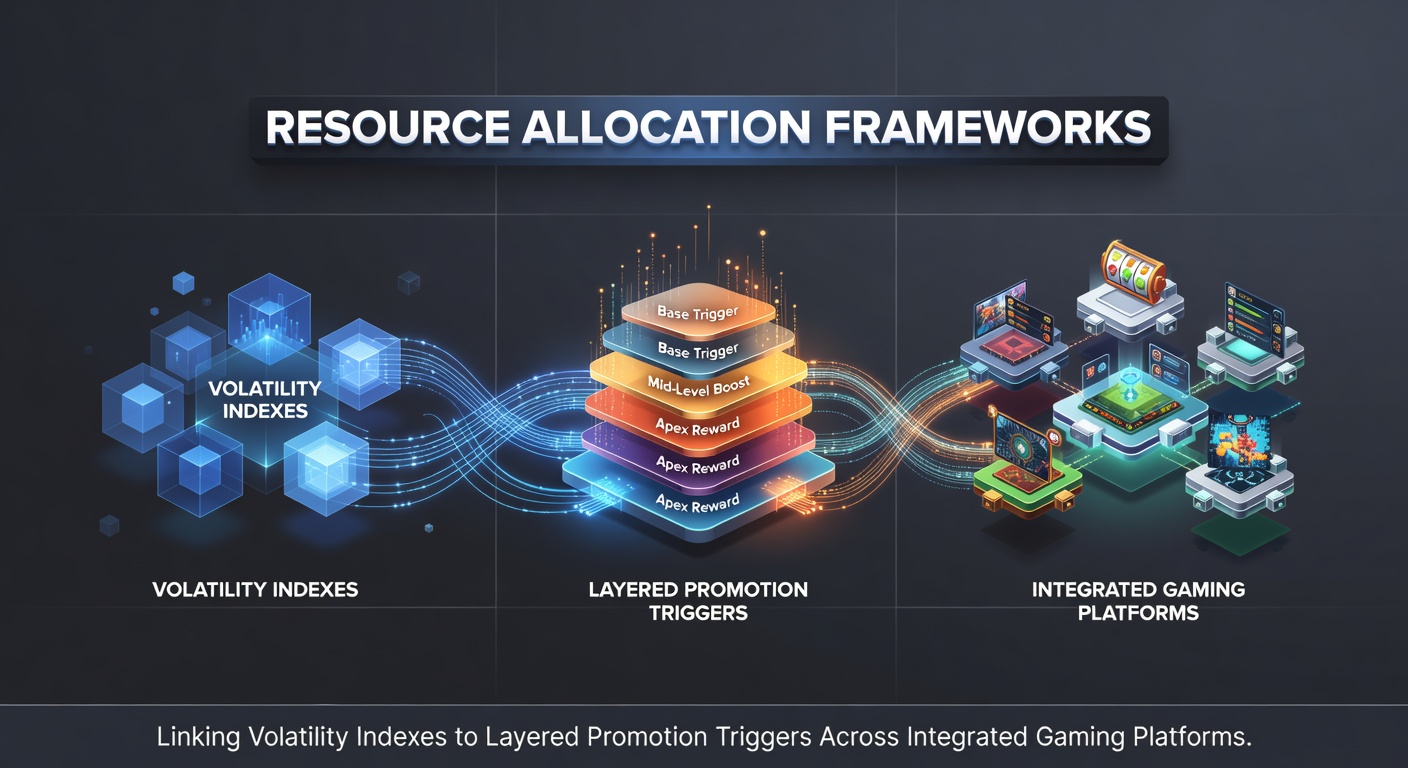
Integrated gaming platforms combine slots, table games, sportsbooks and live dealer environments under single account systems, and operators apply resource allocation frameworks to match volatility indexes with layered promotion triggers. These frameworks measure game volatility through statistical models that track payout variance and frequency distributions, then route marketing resources such as bonus credits or free spins toward player segments whose activity aligns with those volatility profiles.
Core Components of Volatility Measurement
Volatility indexes rely on historical outcome data and simulation engines that calculate standard deviation around expected return percentages. Data shows that high-volatility titles produce larger but less frequent wins, whereas low-volatility options deliver steadier smaller returns. Researchers at academic institutions have documented how these indexes feed directly into allocation algorithms that decide when and how promotional layers activate for individual accounts.
Layered promotion triggers operate on progressive thresholds. The first layer might unlock after a set number of spins on medium-volatility games, while subsequent layers require continued play that matches risk parameters defined by the index. Allocation frameworks track these thresholds in real time, adjusting available resources across the platform so that total promotional spend stays within operator-defined budgets.
Integration Across Platform Modules
Modern systems link volatility indexes to promotion engines through application programming interfaces that pull live performance metrics from every vertical. When a player switches from a high-volatility slot to a lower-volatility table game, the framework recalculates the appropriate trigger points and reallocates remaining promotional inventory accordingly. Observers note that this cross-module visibility prevents over-allocation and maintains consistent player engagement curves throughout sessions.
One study released in early 2025 examined platform data from multiple operators and found that frameworks using volatility-linked triggers increased session duration by measurable margins compared with static bonus systems. The same analysis highlighted how June 2026 updates to reporting standards from the Australian Gambling Research Centre are expected to require clearer documentation of these allocation methods.
Algorithmic Decision Pathways
Allocation models typically employ decision trees or reinforcement learning loops that weigh current volatility readings against historical player response rates. When volatility spikes beyond preset bands, the system may delay higher-tier promotions until the index stabilizes or may redirect resources toward lower-volatility titles that better suit the player's recent pattern. These adjustments occur automatically, reducing manual oversight while preserving regulatory compliance records.
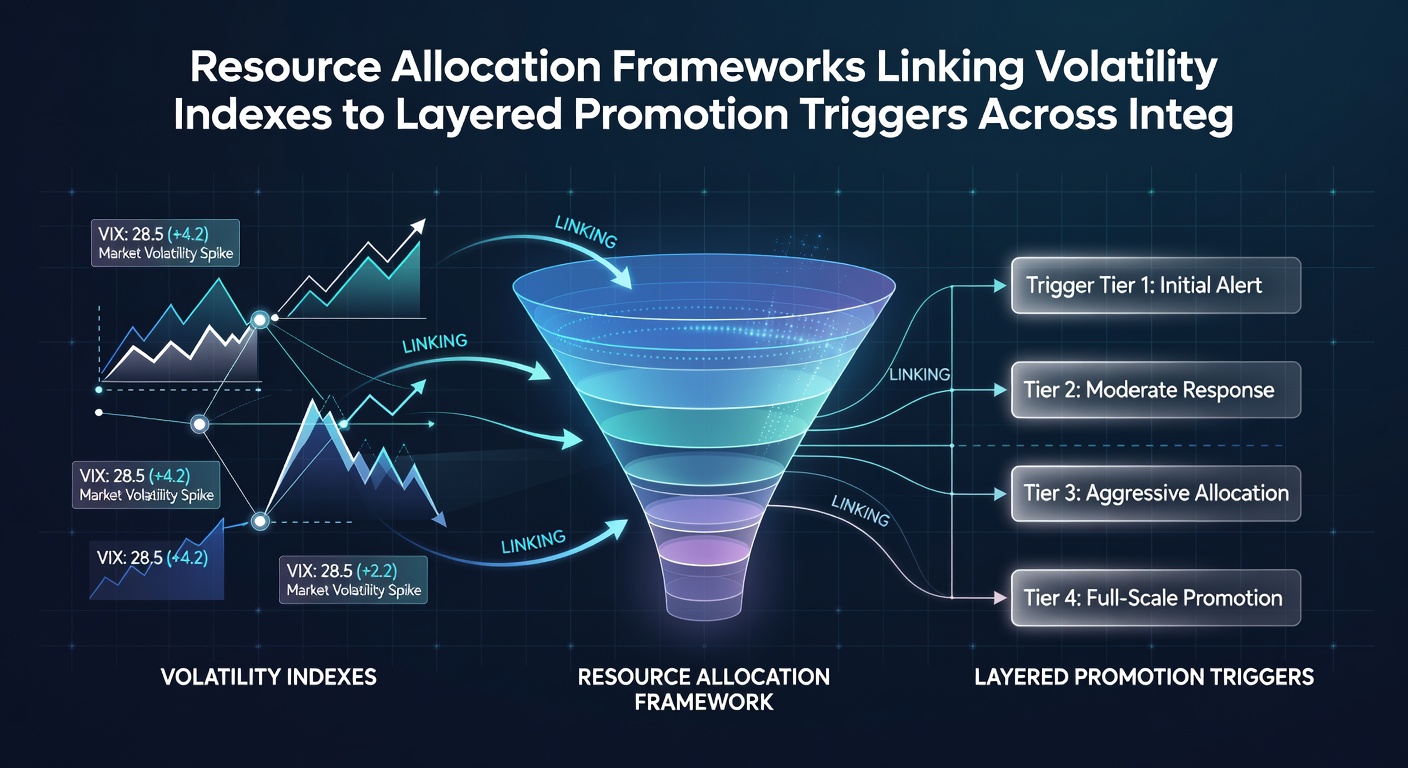
Industry reports from the European Gaming and Betting Association describe similar frameworks being tested in multi-jurisdiction environments where operators must satisfy differing responsible gambling requirements. The reports indicate that real-time volatility indexing helps platforms pause or scale promotions when player behavior deviates from expected risk parameters.
Data Inputs and Feedback Loops
Accurate allocation depends on continuous data streams that include bet size distributions, game selection sequences and time-between-wagers. Feedback loops compare actual outcomes against index predictions, refining trigger thresholds for subsequent sessions. When discrepancies appear, the framework recalibrates resource distribution across player cohorts rather than individual accounts to maintain statistical reliability.
University-led research groups have published peer-reviewed papers demonstrating how these feedback mechanisms improve forecast accuracy for promotional costs. The papers emphasize that transparent documentation of volatility index calculations supports both internal audits and external regulatory reviews.
Conclusion
Resource allocation frameworks that connect volatility indexes to layered promotion triggers continue to evolve as integrated gaming platforms expand. Data from regulatory filings and academic studies shows operators relying on these systems to balance player engagement objectives with financial and compliance constraints. As reporting requirements tighten ahead of June 2026, documentation standards for volatility-linked allocation methods are likely to become more detailed across multiple jurisdictions.