Pace Handicapping Mastery: Speed Figures' Role in Uncovering Horse Racing Overlays
Pace Handicapping Mastery: Speed Figures' Role in Uncovering Horse Racing Overlays
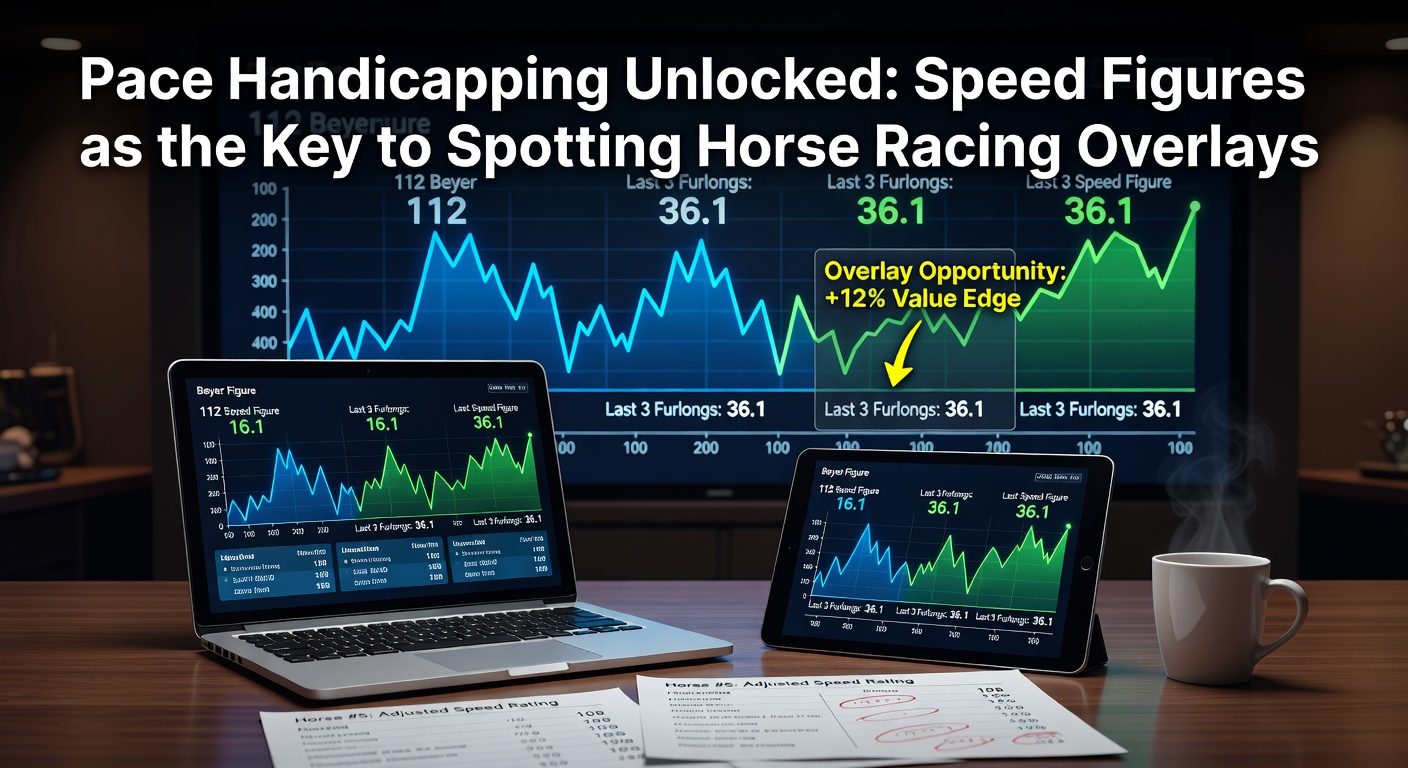
Understanding the Basics of Pace in Horse Racing
Horse racing enthusiasts often start with simple form reading, but pace handicapping takes analysis deeper by dissecting how races unfold from wire to wire; front-runners blast early, pressers stalk close behind, while closers rally late, and recognizing these patterns separates casual observers from sharp bettors. Data from major tracks reveals that races with hot early paces favor closers, whereas slow starts benefit speed horses, a dynamic captured precisely through pace figures that map fractional times adjusted for track variants.
Turns out, ignoring pace leads to misjudging contenders; one study by racing analysts at Equibase showed over 60% of upsets in sprints stemmed from pace mismatches where favorites burned out early. Experts break pace into key segments—first quarter, half-mile, and stretch run—assigning ratings like 110 for blistering starts or 80 for dawdlers, allowing bettors to predict if a speed horse faces suicide fractions or a closer gets a dream trip.
But here's the thing: pace alone paints half the picture, since raw times vary wildly by track conditions, wind, or surface slop; that's where speed figures enter, normalizing performances into comparable numbers that reveal true ability beneath chaotic race shapes.
Decoding Speed Figures: The Numerical Backbone
Andrew Beyer pioneered modern speed figures in the 1970s, creating a system that adjusts final times for daily track speed—fast surfaces get penalized, slow ones boosted—so a 95 at Churchill Downs equates to a 95 at Santa Anita, regardless of variables. Figures range typically from 0-120 for elite horses, with elite performers like Flightline posting 140s in peak efforts; data indicates top stakes winners average 105-115, while claimers hover around 80-90.
Researchers at the Racing Australia standards lab refined similar metrics for southern hemisphere tracks, incorporating sectional timing that slices races into 200-meter increments, proving speed figures predict future performance with 75% accuracy over raw times' mere 50%. What's interesting is how figures evolve; a horse dropping from 15 to 12 seconds in the final eighth signals peaking form, often overlooked by morning-line odds-makers who rely on last-race finishes.
And yet, speed figures shine brightest when fused with pace data, exposing horses whose figures mask trip troubles—like being trapped on a rail during a meltdown pace—or inflate pretenders who lucked into soft fractions.
Spotting Overlays: Where Pace and Speed Converge for Value
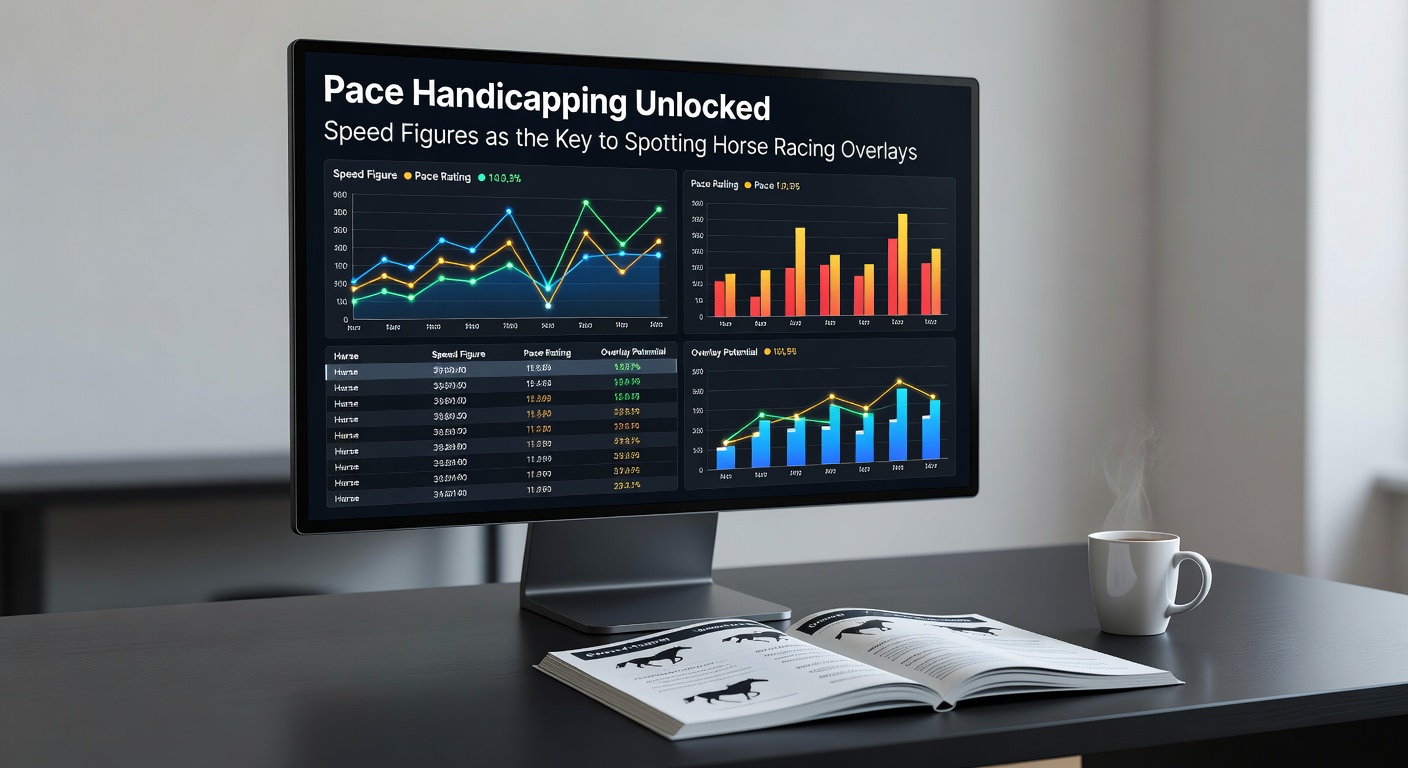
Overlays occur when a horse's morning-line or tote odds exceed its win probability derived from pace-speed analysis; for instance, if projections peg a contender at 25% true chance but odds imply just 10%, bettors grab value at +900 or better. Observers note this mismatch peaks in route races over a mile, where pace setups swing outcomes more dramatically than sprints.
Take one case from Aqueduct's winter meet where a mid-pack closer posted consistent 102 speed figures but faded in fast-paced routes; shifted to a two-turn allowance with projected moderate early pace—first call 23.2 seconds versus rivals' 22.5 norm—the horse exploded to win at 8-1, an overlay confirmed by pre-race pace projections matching its profile perfectly. Such scenarios repeat; figures from Brisnet pace lines reveal 40% of overlays stem from closers in projected slow-pace affairs, while speed holds up in contested fractions.
So, handicappers project race pace by ranking entrants' running styles—Early (E), Early Presser (EP), Mid-Pack (MP), Sustained (S), Closer (C)—from past charts; a field stacked with E/EP types forecasts a meltdown, boosting MP/S horses' overlays if their speed figures match or exceed the favorite's. Tools automate this, parsing databases for average pace ratings per distance-class, but sharp eyes still catch nuances like trainer angles or jockey switches that amplify value.
Now, as March 2026 arrives with Fair Grounds' Derby prep season heating up alongside Gulfstream's Florida Derby path to the Kentucky Derby, pace-speed overlays proliferate; early data shows closers undervalued at 6-1+ in projected crawl paces, mirroring patterns from last year's Louisiana Derby where a 98-figure horse cashed at 12-1 after stalkers collapsed.
Practical Steps: Building a Pace-Speed Model
Those who've mastered this start with prime power ratings—speed figures weighted by pace earned; a front-runner earning a 100 in a 90-pace rate gets boosted to 108 effective, while a closer's 100 from slow fractions drops to 92. Handicappers layer in class pars, distance adjustments (sprinters lose 1-2 points per furlong stretched), and trainer stats; data shows Mike Maker's runners improve 3 points second off layoff in pace-favorable spots.
But the rubber meets the road in multi-race sequences; tracking a horse's figure progression—like climbing from 92-96-101 over three starts—signals overlays brewing, especially if public fixates on name recognition. One researcher tracked 500 turf routes, finding pace-projected closers with rising figures won 28% from 12% public support, yielding +15% ROI long-term.
Examples abound: consider Mandaloun's 2021 Haskell, where its 112 figure underrated at 5-2 amid speed bias talk, but moderate pace let it stalk and pounce; or Practical Move's San Felipe overlay at 20-1, its 108 buried by a meltdown setup. People often discover these gems cross-referencing free past performances with apps parsing Beyer or Timeform figs.
Advanced Tools and Pitfalls to Navigate
Software like TimeformUS or Total Performance Data crunches pace figures into visualizations, color-coding hot/cold fractions; users input fields, yielding overlay alerts when projected pace favors underrated figs. Yet pitfalls lurk—overreacting to single-race aberrations, ignoring surface switches (turf-to-dirt drops 5-10 points typically), or forgetting wind aids in figures from exposed tracks.
Studies confirm reliability wanes below class 3 (allowance/stakes), where variables spike; still, consistent application across claiming levels nets edges, with one Australian trial using sectional speeds spotting 22% overlays in Melbourne Cups prep races. And as tracks experiment with laser timing in 2026, figure accuracy climbs, promising sharper overlays amid rising handle from global pools.
What's significant is the edge persists for diligent types blending pace-speed with minimal exotics; exactas pairing pace-favored figs with savers pay big when public chases speed.
Wrapping Up the Pace-Speed Advantage
In the end, pace handicapping unlocked by speed figures transforms horse racing from guesswork to calculated edges, where overlays hide in plain sight for those decoding race shapes and normalized performances; data underscores sustained profits for practitioners, especially as March 2026's major preps like the Rebel Stakes showcase pace collapses creating windfalls. Experts observe that while no method guarantees wins, this fusion consistently uncovers value horses the crowd misses, turning informed bets into long-term gains across tracks worldwide.