Behind the Reels: Calculating Expected Value in Bonus-Triggered Slot Features
Behind the Reels: Calculating Expected Value in Bonus-Triggered Slot Features
Unpacking the Allure of Bonus Features in Modern Slots
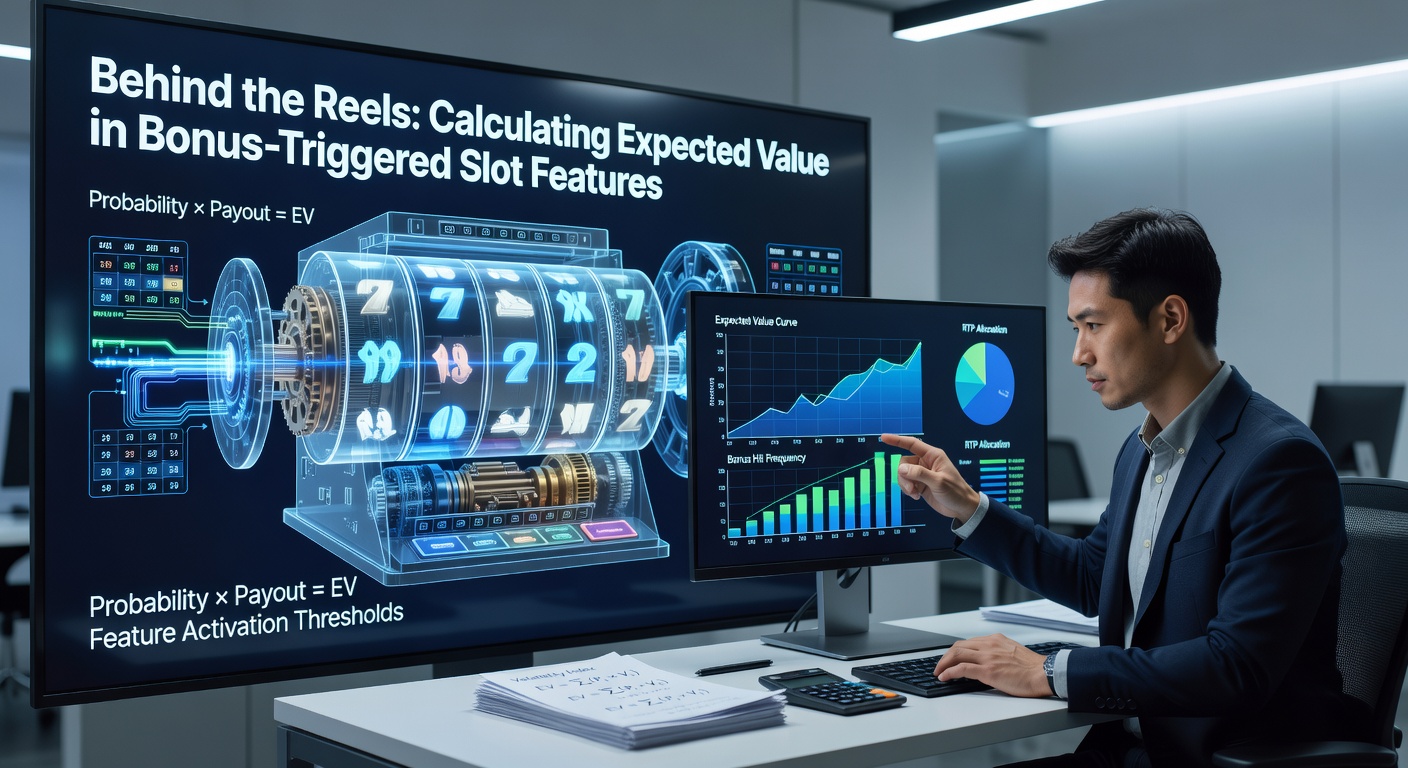
Slot machines draw crowds with their flashing lights and promise of big wins, yet bonus-triggered features often steal the show; these mechanics, from free spins cascades to interactive pick-and-win games, ramp up excitement while holding the key to a game's true profitability. Developers pack titles with triggers like scatter symbols or bonus wheels, and players chase them because they boost payouts far beyond base game spins. But here's the thing: grasping expected value (EV) in these features separates casual spinners from those who crunch numbers for an edge.
EV represents the average amount a player can expect to win or lose per unit wagered over countless plays, calculated as the sum of each outcome's probability multiplied by its payout; in slots, it ties directly to return-to-player (RTP) percentages, typically hovering between 92% and 98% for regulated machines. Bonus features shine here, sometimes contributing 50% or more to overall RTP, so understanding their EV becomes essential, especially since triggers can demand specific bets or prolonged sessions to activate.
Take scatter-triggered free spins, a staple in games like those from major providers; land three or more scatters on a payline, and rounds kick off with multipliers or expanding wilds, potentially turning a modest bet into substantial returns. Researchers who simulate millions of spins note that these features' EV hinges on trigger frequency, average bonus duration, and win multipliers during the round.
Breaking Down the Math: EV Formulas for Bonus Triggers
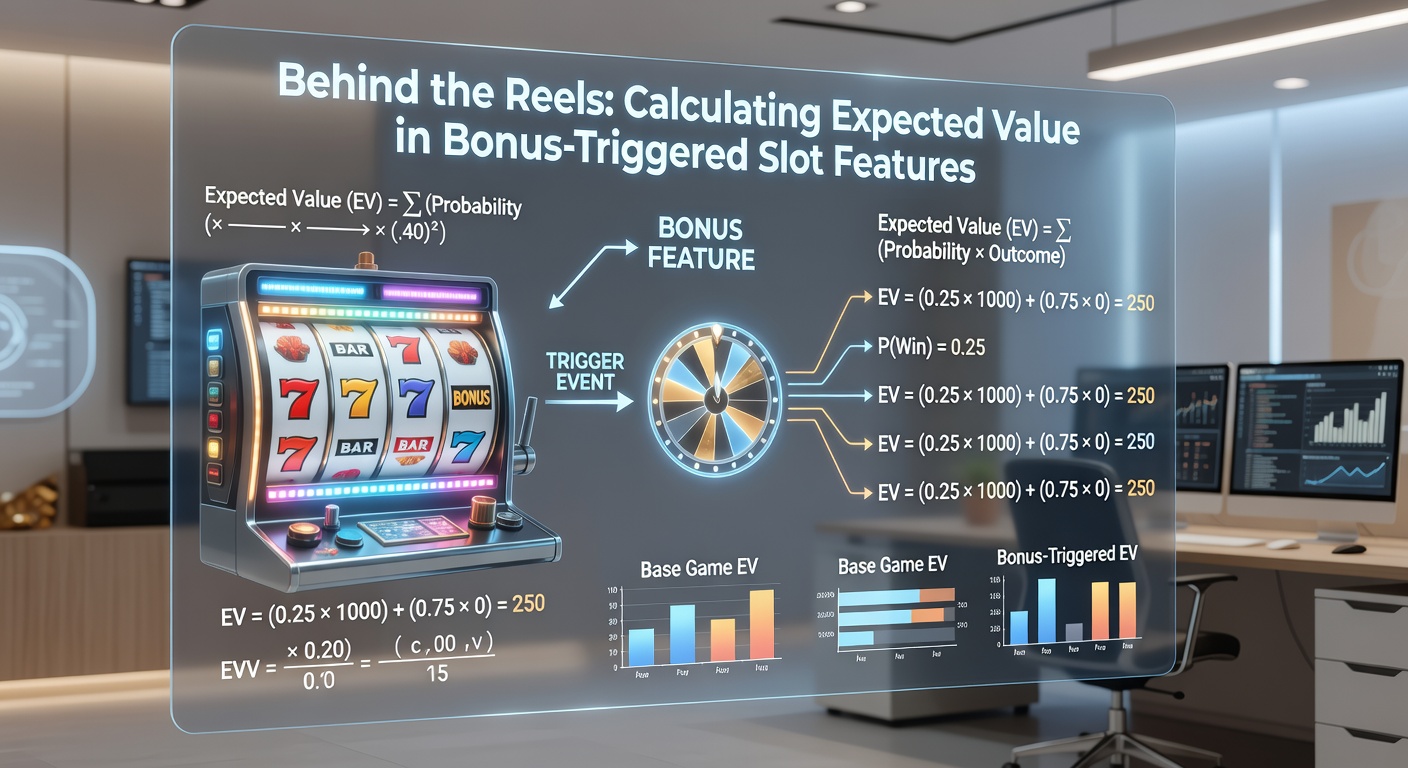
Calculating EV starts simple but layers in complexity for bonus events; the base formula, EV = Σ (probability of outcome × payout for outcome) - bet amount, adapts to slots where outcomes span symbols, lines, and feature activations. For bonus triggers, experts break it into components: probability of hitting the trigger (P_trigger), average payout during the bonus (Bonus_EV), and the cost in base game spins to reach it.
So, total bonus contribution to EV looks like this: Bonus_EV_total = P_trigger × Bonus_EV - (average spins to trigger × bet per spin); numbers reveal why some slots shine, with data from slot appendices compiled by gaming mathematicians showing triggers occurring every 100 to 300 spins on average. Developers tune these rates precisely, balancing house edge with player retention.
What's interesting unfolds in multi-level bonuses, say a wheel spin leading to further picks; here, EV branches into decision trees, where each path's probability multiplies payouts forward. One study from the University of Nevada's gaming research center dissected popular titles, finding that wheel bonuses with 1-in-10 high-prize segments push EV up by 15-20% over flat free spins, although variance skyrockets too.
And consider retriggers, those golden repeats that extend bonuses; they compound EV exponentially, since each adds another cycle without extra base bets, turning a 10-spin free game into 50 or more. Observers track these in volatility indexes, where high-retrigger slots like those with unlimited cascades deliver EV bursts but demand deeper pockets to weather dry spells.
Real-World Examples: Dissecting Popular Bonus Mechanics
Picture a classic five-reel slot with a pick-me bonus triggered by three bonus symbols; players select from 12 objects hiding cash prizes or advances to super rounds, and simulations run by analysts peg the average award at 25x the bet, with a 1/150 trigger rate. Plug that in: if base bet costs $1 per spin, EV per spin from this feature equals (1/150 × 25) - (149/150 × 1) ≈ $0.167 - $0.993 = -$0.826, meaning the house keeps 82.6% on average, yet the thrill keeps reels turning.
But shift to progressive multipliers in avalanche-style bonuses, and math flips favorably; blocks drop, wins explode them, and multipliers climb from 1x to 100x or beyond, as seen in titles dominating casino floors. Data indicates these can contribute 60% of a game's 96% RTP, with EV calculated via geometric progressions: each avalanche's win probability (say 30%) multiplies prior totals, yielding formulas like EV = bet × (1 + p_win × multiplier_increment) ^ expected_avalanches.
Now, in April 2026, fresh releases from North American studios integrate mystery triggers, where random bonuses hit without symbols, blending EV seamlessly into base play; Nevada Gaming Control Board filings on new machine approvals reveal these hold steady 94-97% RTPs, even as features grow wilder with cluster pays and roaming wilds chasing high-EV paths.
Those who've reverse-engineered paytables often uncover quirks, like bonus bets that unlock higher triggers; wagering extra 50% on lines might double P_trigger, boosting EV enough to justify the outlay, although only if base RTP compensates during lulls.
Tools and Simulations: How Pros Compute Slot EV Today
Spreadsheet wizards build Monte Carlo simulators, running 1 million+ spins to approximate EV with 99% confidence; inputs include reel strips (weighted symbols), paytable tiers, and bonus logic trees, spitting out metrics like hit frequency (25-35% typically) and max win caps that clip upside potential. Free online tools from gaming forums mirror this, letting enthusiasts test demos before real money drops.
Yet precision demands paytable details, often buried in game help screens or extracted via screen scrapers; experts cross-reference with third-party audits, confirming declared RTP matches simulated EV. Turns out, discrepancies pop up rarely in regulated markets, but offshore titles sometimes inflate claims, underscoring why calculations matter.
Advanced players layer in session EV, factoring jackpot contributions or linked progressives where bonus hits seed meters; a wheel bonus landing on progressive paths can eclipse flat EV, pushing effective RTP past 100% short-term, though long-run math reverts to house edge.
Navigating Variance: EV's Dance with Volatility in Bonuses
EV tells average returns, but volatility dictates ride smoothness; low-variance bonuses pay frequent small wins, suiting grinders, while high-variance beasts hoard payouts for rare mega-hits, as bonus multipliers stack to 10,000x territory. Studies show players undervalue this, chasing EV alone and busting bankrolls on volatile triggers that tease every 500 spins.
That's where the rubber meets the road in bankroll sizing: divide total EV variance by risk tolerance, yielding spins needed for statistical confidence; for a 96% RTP bonus-heavy slot, 10,000 spins smooths results to within 1% of true EV, a grind few stomach without discipline.
Observers note hybrid features rising in 2026, blending steady drips with lottery blasts via choice mechanics—pick safe multipliers or gamble for supersized ones—allowing tailored EV profiles mid-session.
Conclusion: Mastering Bonus EV for Smarter Spins
Bonus-triggered features define slot appeal, their EV woven into every spin's fabric through precise probabilities, payouts, and triggers that developers calibrate ruthlessly. Players armed with formulas, simulators, and paytable savvy navigate this landscape sharper, spotting overlays where feature math tilts toward positive sessions amid the house's long edge. As markets evolve with tech-driven bonuses in April 2026, from AI-tuned reels to cross-game jackpots, the core math endures; crunch those numbers, simulate relentlessly, and the reels reveal their secrets one calculation at a time.