Allocating Bankrolls Through Volatility Indexing in Modern Slot Gaming
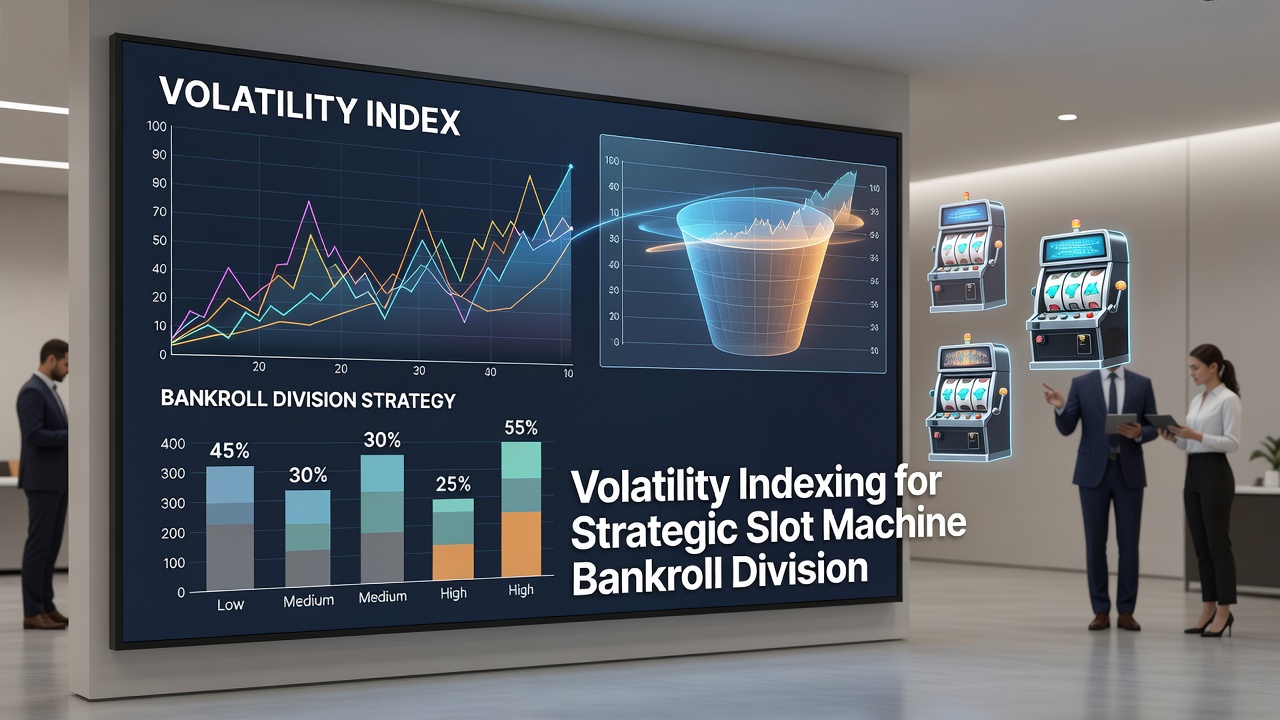
Volatility indexing assigns numerical values to slot machines based on their payout frequency and size distribution, which allows players to divide bankrolls into segments matched to specific risk profiles. This method draws from statistical models that track hit rates, average returns per spin, and the distribution of large versus small wins across thousands of game cycles. Data collected from gaming regulators shows that machines rated with volatility indices above 8.0 tend to produce infrequent but substantial payouts, whereas those below 4.0 deliver steadier but smaller returns.
Defining Volatility Levels Through Quantitative Metrics
Slot volatility gets measured by calculating the standard deviation of returns over extended play sessions, and researchers apply these figures to create standardized indices that range from 1 to 10. Gaming laboratories in Nevada and New Jersey publish aggregated reports that list average volatility scores for popular titles, which helps operators and analysts compare games across different software providers. One study conducted at the University of Nevada, Reno tracked 2.3 million spins and found that medium-volatility games cluster around indices of 5.5 to 6.5, producing win distributions that balance frequency with occasional larger payouts.
Players apply these indices when they categorize machines into tiers, and the process starts with reviewing the game's published return-to-player percentage alongside its volatility rating. High-index machines require larger reserve amounts because extended dry spells can exceed 200 spins without a significant return, while low-index options allow smaller per-session allocations due to more consistent hit rates. Observers note that software developers embed these metrics directly into game mathematics sheets, which become available through regulatory filings in multiple jurisdictions.
Methods for Indexing and Categorizing Machines
Analysts calculate volatility indices by running Monte Carlo simulations on each game's reel strips and paytable, then they normalize results against a baseline distribution derived from thousands of comparable titles. This produces a single score that reflects both payout variance and the probability of reaching certain win thresholds within defined spin counts. Canadian provincial regulators, including the Alcohol and Gaming Commission of Ontario, maintain public databases that include volatility data for licensed machines, enabling cross-border comparisons of game behavior.
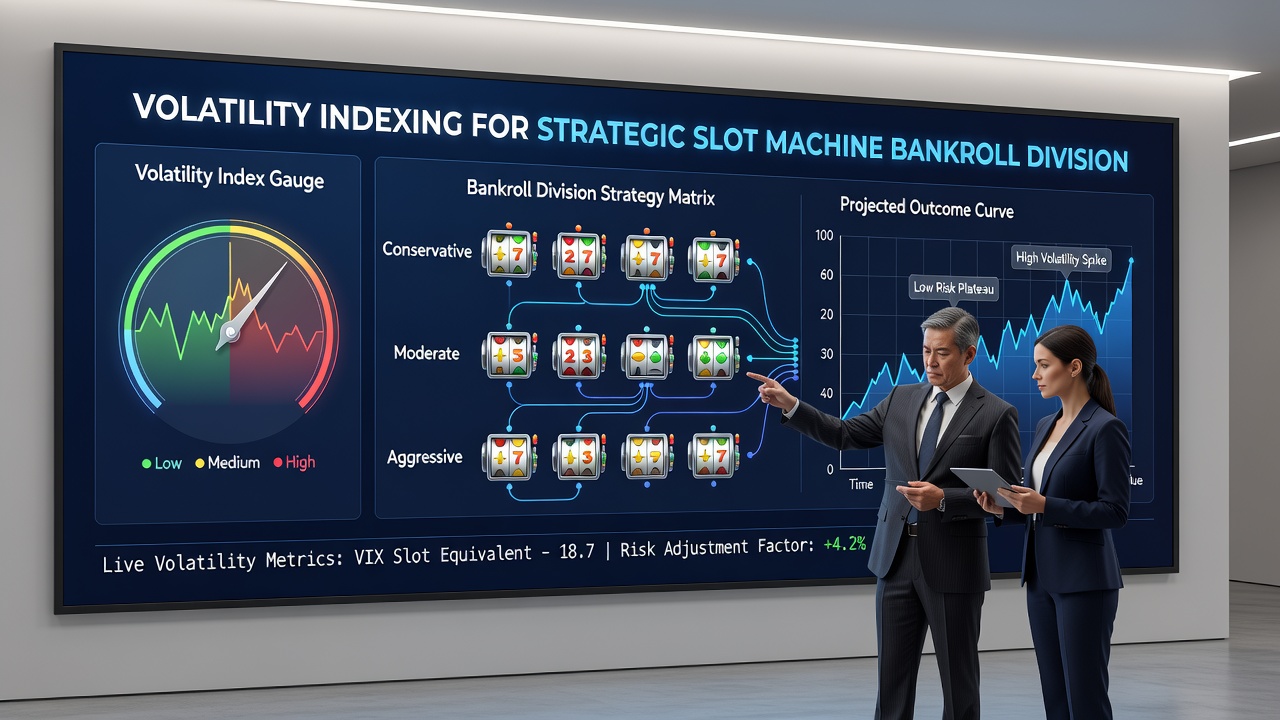
Those who study slot performance often group machines into three primary bands: low (1-4), medium (4.1-7), and high (7.1-10). Each band corresponds to recommended bankroll percentages, with low-volatility games typically receiving 40 to 50 percent of total funds because their steadier returns reduce the chance of rapid depletion. Medium-volatility titles receive 30 to 35 percent allocations, while high-volatility machines receive the remaining 15 to 25 percent to accommodate longer variance swings. Figures from industry reports indicate that this tiered division maintains overall session length across mixed portfolios even when individual machines enter extended losing streaks.
Implementing Bankroll Division Based on Index Scores
Division strategies begin with establishing a total session bankroll, after which the index score determines the number of individual bets allocated to each volatility tier. For a 500-unit bankroll, a low-volatility allocation might support 250 spins at one unit each, whereas the high-volatility portion covers only 50 spins at five units each to compensate for greater variance. This structure emerges from probability models that estimate the number of spins required to reach a target return threshold at different volatility levels.
Tracking tools record cumulative results per tier during play, and adjustments occur when actual performance deviates from the indexed expectations by more than one standard deviation. European gaming authorities in Malta have documented similar allocation frameworks in operator compliance reports, showing that structured division reduces the frequency of total bankroll exhaustion within single sessions. Software applications now automate index lookups and suggest real-time reallocations when players input current results and remaining funds.
Adjusting Strategies Across Different Gaming Environments
Regional differences in machine certification affect the accuracy of volatility indices because testing protocols vary between jurisdictions. Australian state regulators apply stricter simulation requirements than some U.S. tribal commissions, which leads to slight variations in published scores for the same game title. Players who move between markets therefore recalibrate their allocation percentages after reviewing the specific regulatory data available in each location.
Progressive jackpot machines often receive separate indexing because their top prizes introduce additional variance layers not present in standard paytables. Analysts assign these games higher effective indices and reduce their recommended bankroll share accordingly, sometimes limiting exposure to 10 percent or less. Data compiled by the National Council on Problem Gambling indicates that players who maintain tiered allocations across volatility bands report longer average play durations compared with those who distribute funds uniformly.
Conclusion
Volatility indexing supplies a measurable framework that converts raw game statistics into actionable bankroll divisions for slot play. The approach relies on standardized scores derived from extensive simulations and regulatory data, which then guide percentage allocations across low, medium, and high tiers. Implementation involves setting session totals, applying tier percentages, and monitoring performance against expected distributions. As more jurisdictions release detailed volatility information through public filings, the precision of these allocation models continues to improve for participants who track results systematically.